Planning a kids' event that genuinely welcomes Deaf families takes more than adding an interpreter at the last minute. The real problem most organizers face is that children's programming is built around sound — announcements over a microphone, spoken instructions, music games, and verbal storytelling — so Deaf children and their families can end up on the outside of the fun. The fix is to build communication access into the plan from the first decision, not to retrofit it the week before.
Which practice does the Sacramento Public Library's Family ASL Social use to center an ASL and Deaf-friendly space?
Select one answer.
Start with access, not decoration
The most reliable guidance is to think about the widest range of people who might attend and design the program so all of them can take part, as Colgate University's accessible event checklist recommends. For a kids' event, that means asking early: will a Deaf child be able to follow instructions, join games, and make friends without depending on a parent to translate everything?
A good first move is to gather accommodation needs through registration. Pre-event surveys or registration forms that ask whether attendees need hearing devices, interpreters, or other aids let you plan effectively instead of guessing, per ITA's accessible event guidance. Keep the question open-ended and optional, and make sure the form itself is easy to use.
Book ASL interpreters and captioning early
Interpreters are the backbone of a Deaf-friendly kids' event, and they book up. Confirm interpreter coverage for every spoken program: welcome remarks, instructions, storytime, and any stage activity. If you are showing videos or slides, caption them. The Mid-Atlantic ADA Center's accessible meetings guide treats accommodations for Deaf individuals and access to printed or visual materials as core planning items, not extras.
Practical checklist:
- Book ASL interpreters as soon as the date is set, and tell them the age range and activity types.
- Caption all videos, and provide visual schedules and written instructions at activity stations.
- Brief interpreters and staff together so everyone knows the flow of the day.
- Put a named contact on the registration form for access questions.
Design activities that work without sound
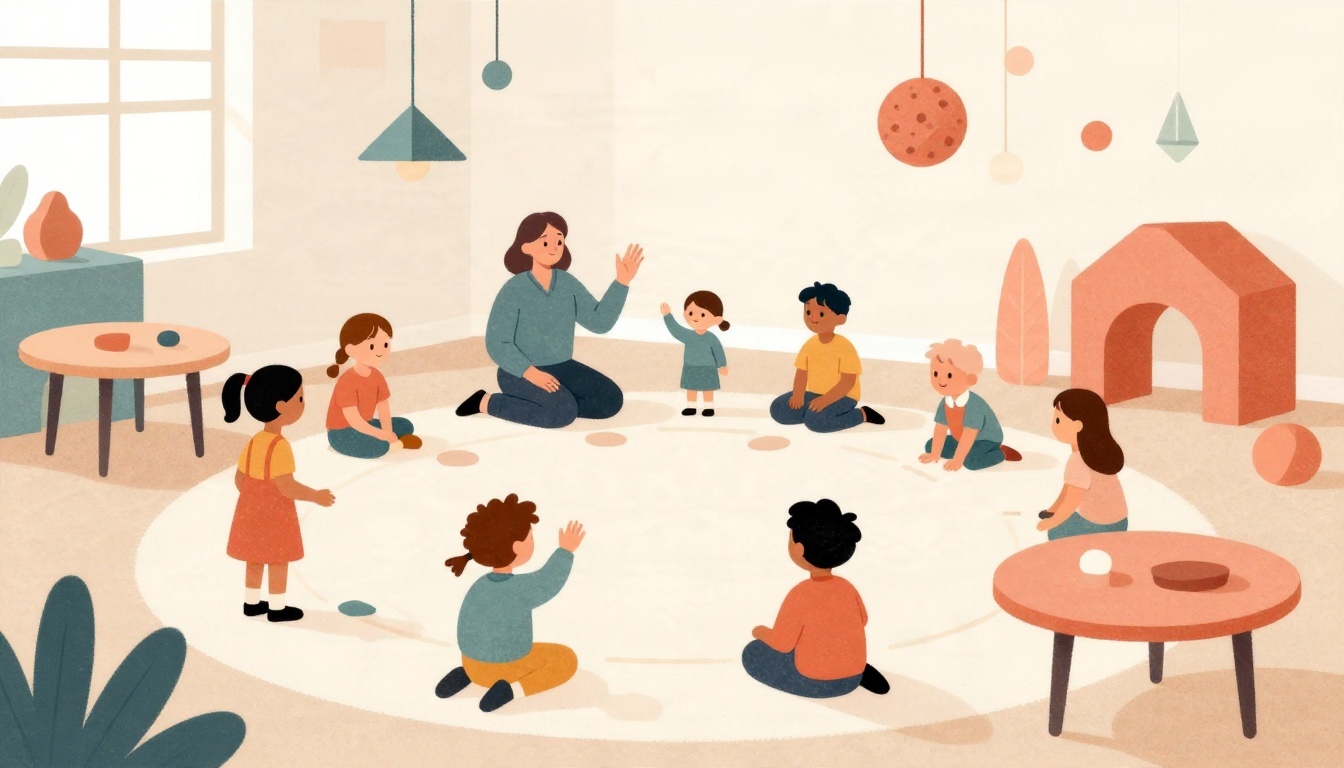
Many classic kids' activities can be adapted so Deaf children participate fully rather than watching. Visual storytelling, crafts, and games with clear visual rules work well. For example, a library Family ASL Social in Sacramento pairs snacks, crafts, and activities with conversation facilitated entirely in American Sign Language and requests a "voice-off environment" to center an ASL and Deaf-friendly space, according to the Sacramento Public Library event listing.
You do not have to make the whole event voice-off, but you can build in voice-off zones or activities. Other practical adaptations:
- Use visual cues — lights, flags, or hand signals — instead of whistles and microphones to start and stop activities.
- Give instructions with pictures, demonstrations, and a signer standing where children can see.
- Choose games that rely on sight and movement, and explain rules visually before play begins.
- For music or movement, add visual elements like lights or gestures so rhythm is not only auditory.
- Provide crafts and sensory play that need no listening at all.
Prepare staff, volunteers, and the venue
Access fails most often at the front door. Train volunteers on basic Deaf etiquette and communication, and make sure they know where interpreters will stand and how to get a Deaf family's attention politely. The ADA National Network's planning guide for temporary events covers communication access, staff and volunteer preparation, and publicity as connected planning steps — treat them as one system.
Also check the physical setup: good sightlines, adequate lighting on faces and hands (not backlit), seating where Deaf families can see the interpreter and the activity, and clear visual signage. Publicize the accessibility features you are offering so families know before they arrive.
A quick pre-event checklist
- Access question on registration, with a staff contact.
- ASL interpreters booked and briefed.
- Captions on all video and visual instructions at stations.
- Visual cues replacing sound-based signals.
- Staff and volunteer training on Deaf communication basics.
- Sightlines, lighting, and seating checked for interpreter visibility.
- Accessibility details published in event promotion.
How the Featured Expert Can Help
Unspoken Events Co., LLC is a Deaf-owned, women-owned, and disabled-owned inclusive event strategy and accessibility consulting firm based in Central Ohio, founded by Heidi DeGrace. They partner with businesses, nonprofits, schools, and community organizations to create inclusive events that bring Deaf and hearing communities together, offering event strategy, accessibility consulting, and community connection. You can learn more at unspokeneventsco.com.
Quiz
Test what you learned about planning inclusive kids' events for Deaf families.
{"question":"Which practice does the Sacramento Public Library's Family ASL Social use to center an ASL and Deaf-friendly space?","options":["Requesting a voice-off environment","Requiring all attendees to wear hearing aids","Banning written instructions"],"correctIndex":0}