
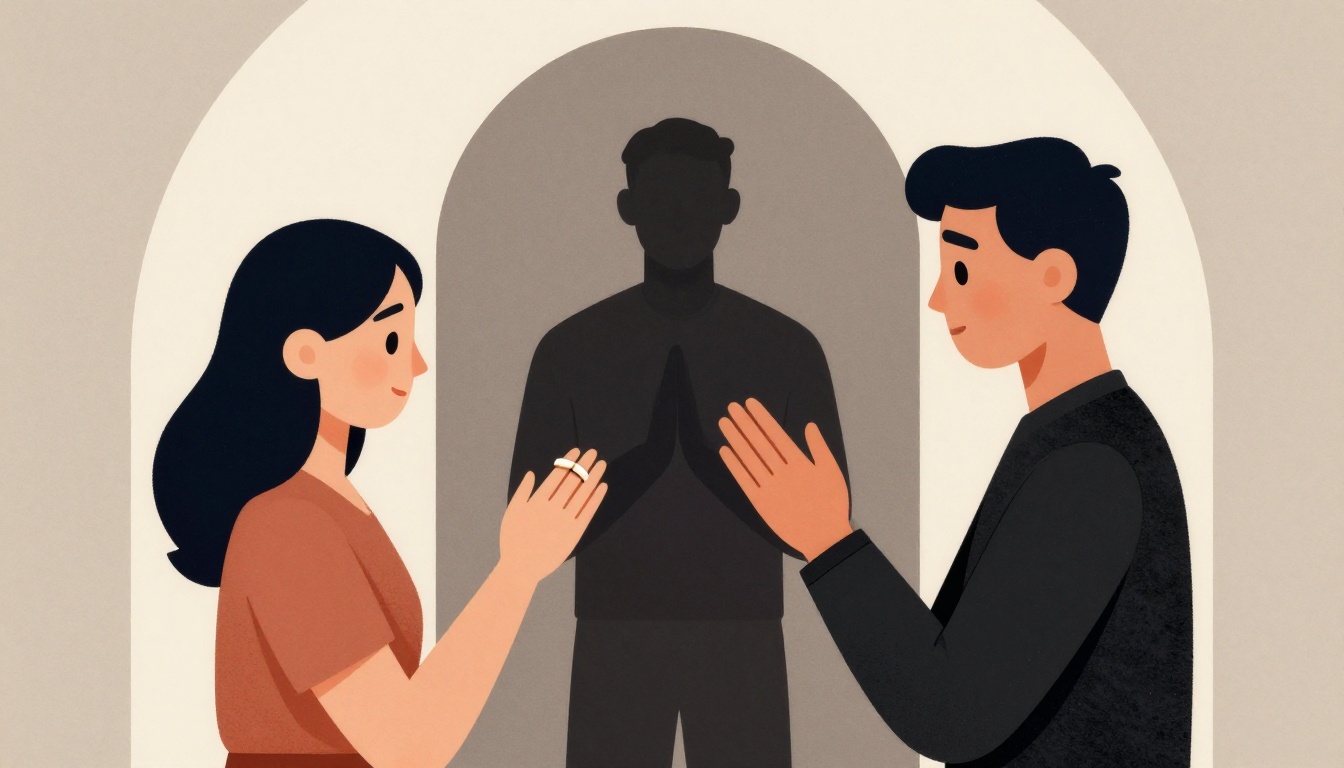
Planning a wedding already involves hundreds of decisions. If you or your partner are Deaf, or if Deaf family members will be in the room, one question sits underneath all of them: will everyone actually be able to follow what's happening? The answer isn't luck. It's a set of concrete choices you can make early, before deposits lock you into a venue or a vendor who can't support access.
According to interpreting industry guidance, why is a team of two interpreters recommended for weddings?
Select one answer.
Start with the couple's own access needs
Accessibility checklists often focus on guests, but the couple is the center of the day. Ask yourselves what helps each of you feel present and grounded: a shorter ceremony, a seat nearby during the reception, breaks built into the timeline, or traditions you'd rather skip. Your needs are valid, and the day should reflect them.
Book interpreters early, and book a team
Industry standards call for two interpreters, especially for longer events, because interpreting is mentally taxing and accuracy slips after about 20 minutes of continuous work. A team of two rotates to maintain accuracy and energy throughout the event. Book 1 to 3 months ahead, and share your invitation, the names of the couple and wedding party, your overall agenda, and your wedding website so the team can prepare.
Prep interpreters with the actual words
Once booked, send the pre-written ceremony script, poems, vows, speeches, toasts, and any song lyrics. Include the names of anyone who will be called by name, including the officiant. Interpreters can't interpret what they haven't seen, and last-minute speeches are one of the most common gaps.
Design the ceremony so it can be seen
Interpreters generally wear all black so their hands show up clearly, and long colorful nails create visual noise. Place the interpreter in the direct line of sight of Deaf guests, not off to the side. Reserve seats up front for Deaf and hard-of-hearing guests so they can clearly see the interpreter. If the couple is signing their own vows, consider a second interpreter positioned for the couple themselves.
Make the reception work, not just the ceremony
Microphones matter even in a signing room. Wear mics during your vows and have a mic for toasts and speeches so any hard-of-hearing guests and captioners can follow. Think about lighting too: low, moody lighting makes signing much harder to read, the visual equivalent of shouting over loud music. Keep key areas well lit.
A practical planning checklist
- Ask each Deaf guest what they need rather than assuming; needs vary, and some guests speech-read instead of signing.
- Book two qualified interpreters 1 to 3 months out for the ceremony and speeches.
- Send scripts, vows, toasts, and name lists to interpreters in advance.
- Reserve front-row seating with a clear sightline to the interpreter.
- Provide mics for vows, toasts, and announcements.
- Keep ceremony and speech areas well lit.
- Brief your officiant and DJ on the interpreter's placement and cues.
- Confirm the interpreter's start and end times, including the rehearsal.
Common mistakes to avoid
Relying on a friend or family member to interpret is one of the most frequent missteps. A guest who is also a parent, sibling, or wedding party member can't fully participate and interpret at the same time. Assuming one interpreter is enough for a multi-hour event is another. And treating access as a ceremony-only concern leaves Deaf guests out of toasts, announcements, and the social heart of the reception.
How the Featured Expert Can Help
Unspoken Events Co., LLC is a Deaf-owned, women-owned, and disabled-owned inclusive event strategy and accessibility consulting firm based in Central Ohio. Founded by Heidi DeGrace, the firm creates inclusive events that bring Deaf and hearing communities together, offering event strategy, accessibility consulting, and community connection for businesses, nonprofits, schools, and community organizations. You can learn more at Unspoken Events Co..
If you're weighing how much interpreting coverage your wedding actually needs, the answer depends on your guest list, your timeline, and which moments matter most to you. Start there, then build the rest of the plan around it.